Welcome to Our Website!
Add your email below to get updates!
The Role of Water Vapour in Climate Change
Water vapour is the most abundant greenhouse gas in the atmosphere and plays a crucial role in the natural greenhouse effect. Its concentrations depend on temperature, as warmer air holds more moisture, creating a feedback loop that can exacerbate climate change.
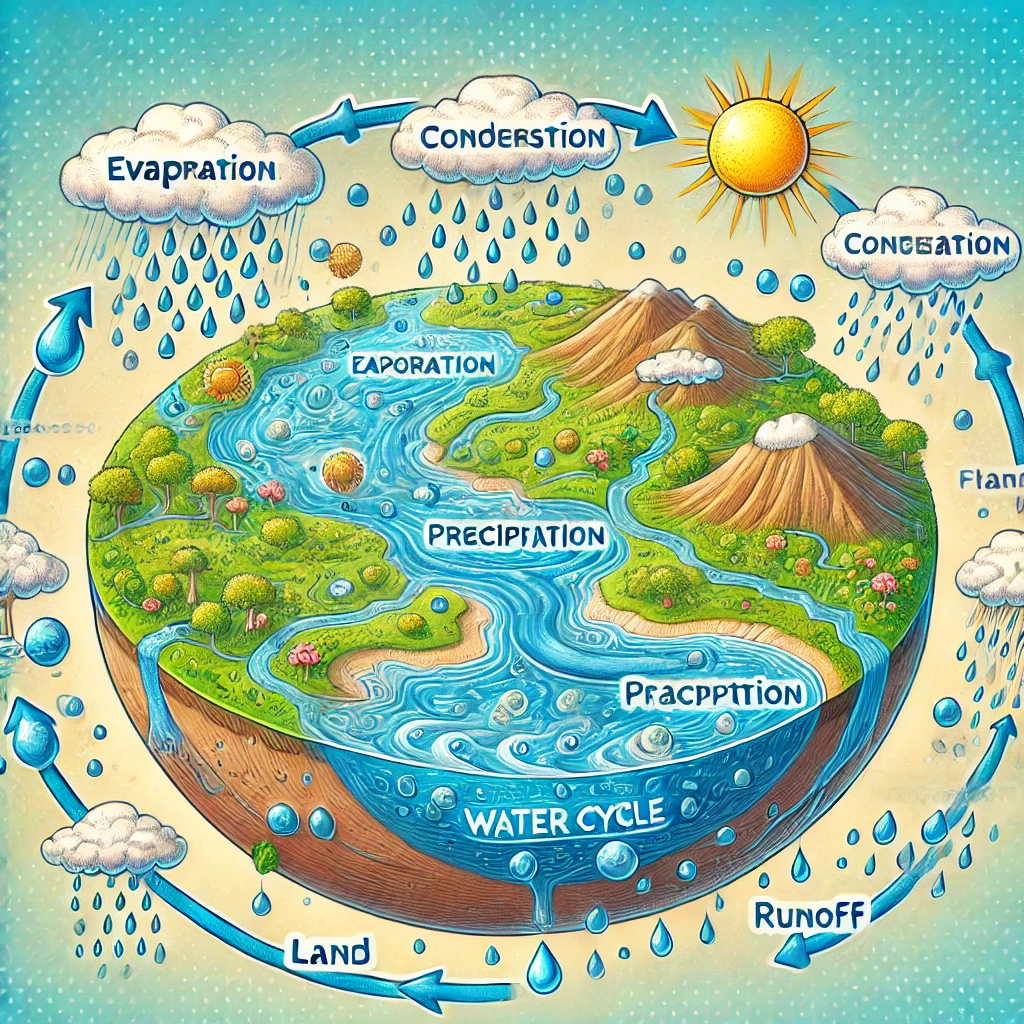
As the Earth warms, increased evaporation from oceans, lakes, and rivers leads to higher humidity levels. This, in turn, enhances the greenhouse effect, resulting in further warming and more extreme weather events.
While human activities do not directly emit water vapour, the warming caused by other greenhouse gases increases its concentration. Understanding this interaction is vital for climate models, which rely on accurate data to predict future changes.
Key Messages
- Water vapour is a key greenhouse gas. major role in the natural greenhouse effect.
- Humidity increases with global warming. Warmer temperatures lead to more moisture in the atmosphere.
- Water vapour amplifies the greenhouse effect. Higher humidity further warms the Earth, creating a feedback loop.
- Human activities indirectly increase water vapour. Other greenhouse gases raise temperatures, leading to more water vapour.