
Welcome to Our Website!
Add your email below to get updates!
Add your email below to get updates!
Server farms are significant energy consumers, accounting for a substantial portion of the electricity used by the tech industry, as these data centres require vast amounts of energy to power servers and maintain optimal operating temperatures through cooling systems; with growing internet usage, energy demand from these facilities rises, prompting companies to focus on optimising energy efficiency through advanced cooling technologies and renewable energy integration, while implementing server virtualisation techniques reduces the number of physical servers needed, leading to lower energy consumption and emissions, enhancing sustainability efforts, and decreasing the overall carbon footprint, making it crucial to address energy consumption in server farms to minimise the tech industry.
Learn how leading companies are transitioning to renewable energy sources for powering server farms.
by Laura Mitchell
Explore innovations in cooling technologies that reduce energy usage in data centres.
by Ethan Carter
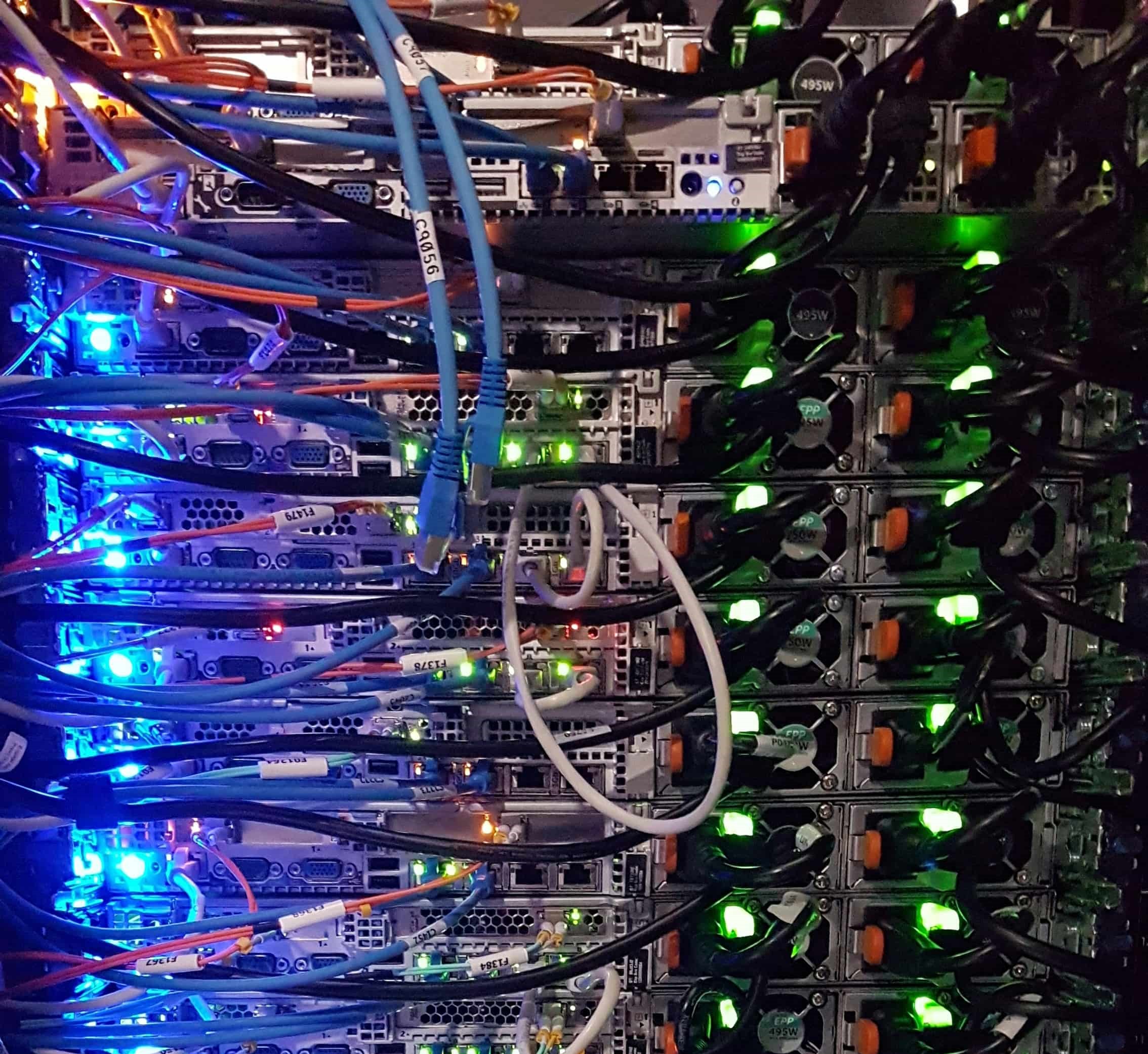
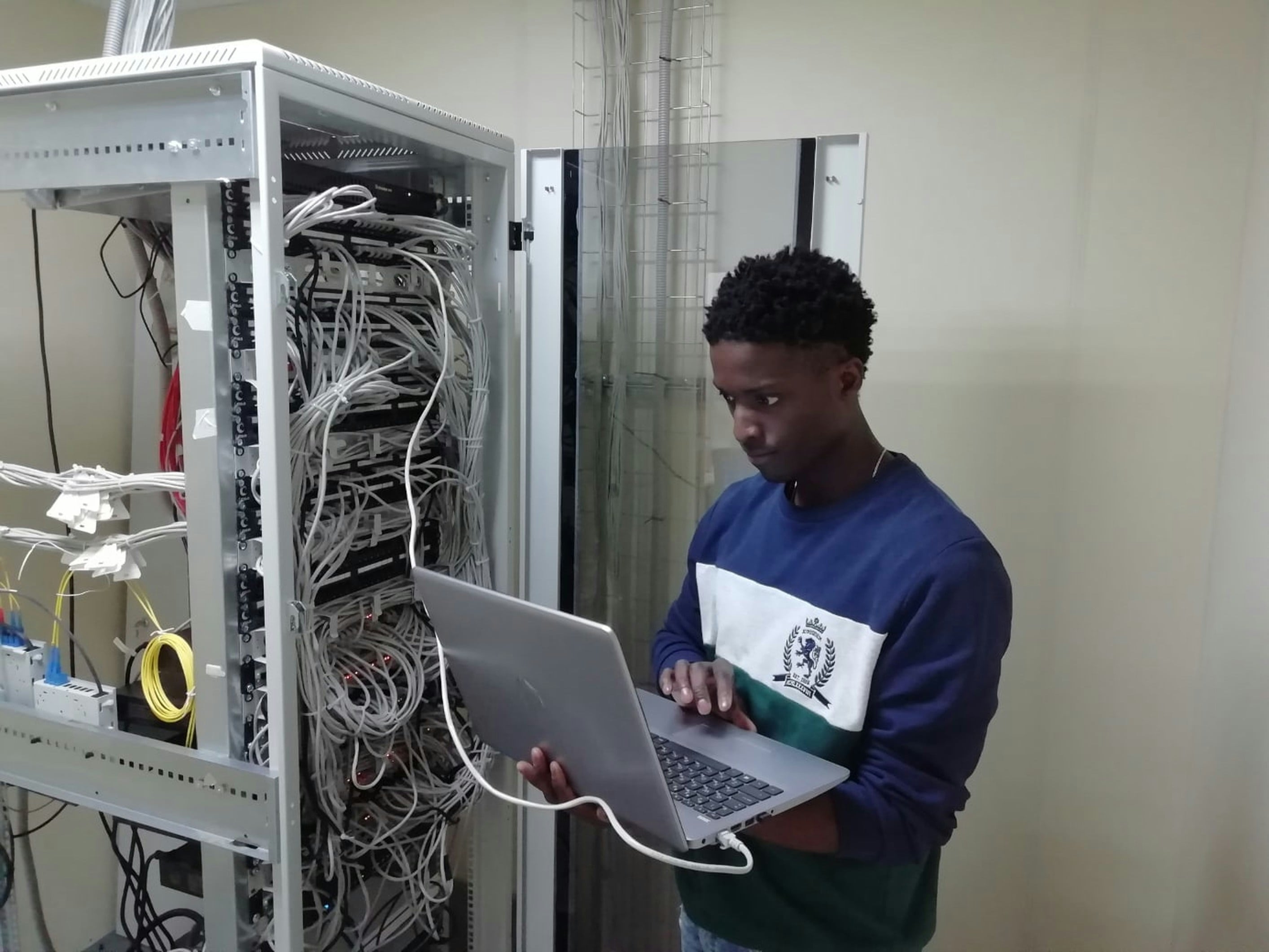
Discover how leading tech companies are leveraging cutting-edge solutions to transform server farm energy efficiency. Collaborative efforts and technological advancements are key to a sustainable future.
By Natalie Rhodes
Data Centres of the Future: Trends and Innovations
Webcast 11:00 AM (ET)
Harnessing AI to Optimize Energy Use in Server Farms
Webcast 08:00 AM (ET)
Driving Change: Exploring the Future of Electric Mobility
Webcast 08:00 AM (ET)
By Adding you email get the latest news and updates..!
Refreshing in 4 days
Server farms consume vast energy, often from fossil fuels, generating significant greenhouse gas emissions. Additionally, cooling systems increase water use and exacerbate environmental impact.
Electricity use impacts climate change primarily through greenhouse gas emissions from fossil fuel power plants. Renewable energy sources can mitigate this effect, reducing carbon footprints significantly.
Manufacturing impacts climate change by emitting greenhouse gases, consuming energy, depleting natural resources, generating waste, and causing pollution, significantly contributing to global warming and environmental degradation.