
Welcome to Our Website!
Add your email below to get updates!
Add your email below to get updates!
Low-power processors are engineered to minimize energy consumption while maintaining high performance, making them essential in the push for energy-efficient computing. These processors leverage advanced architectures and innovative power management techniques to optimize functionality without sacrificing speed or reliability. Their development plays a crucial role in reducing the carbon footprint of electronic devices, particularly in mobile, IoT, and embedded systems where energy efficiency is paramount. By incorporating these processors into modern products, manufacturers can significantly lower emissions associated with device usage and production. This advancement supports sustainability goals while meeting the growing demand for powerful yet eco-friendly technology.
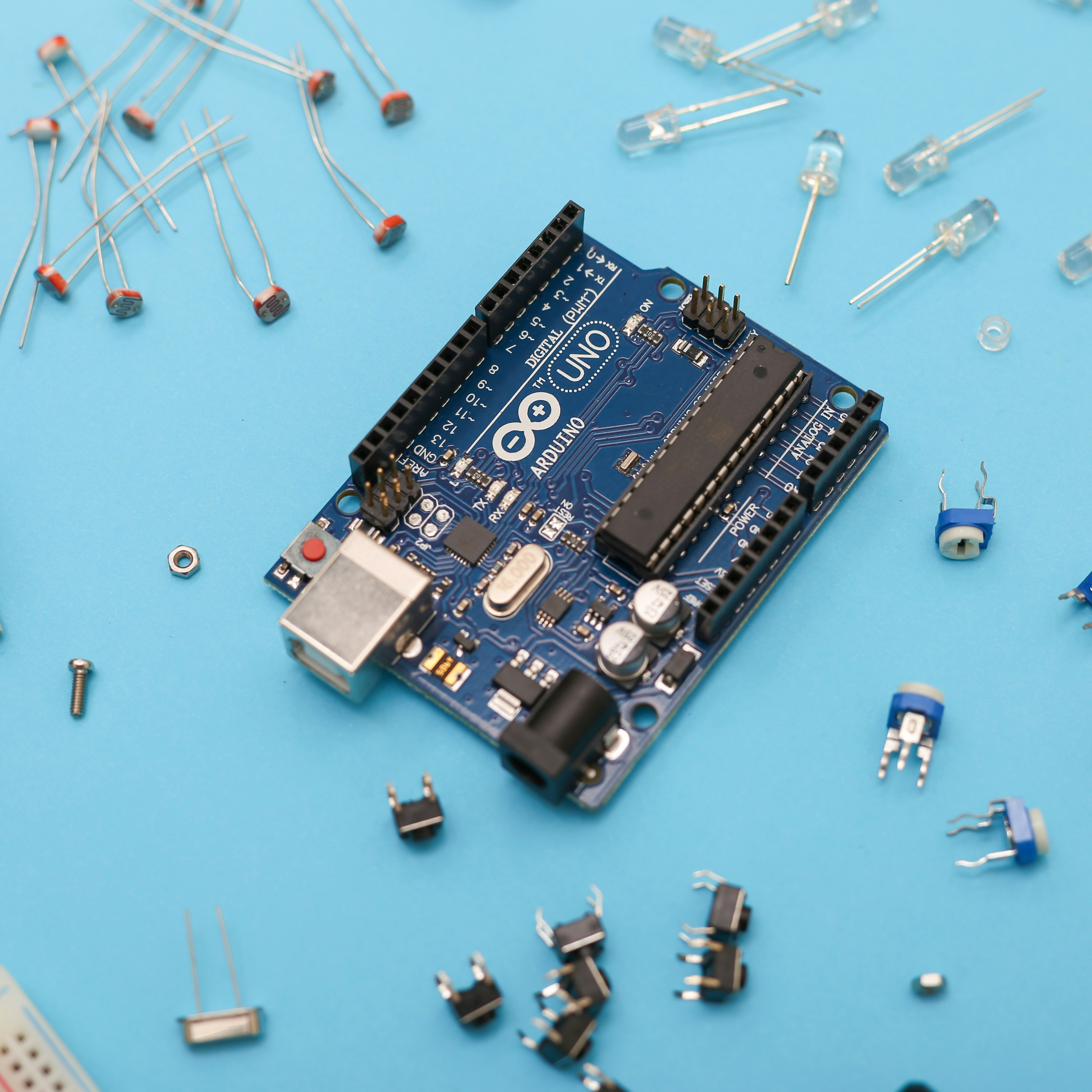
Low-Power Processors: Revolutionizing Eco-Friendly Computing
by Taylor Morgan • 3 hours ago
How Advanced Solar Panels Are Reshaping Energy Consumption
by Casey Bright • 1 day ago
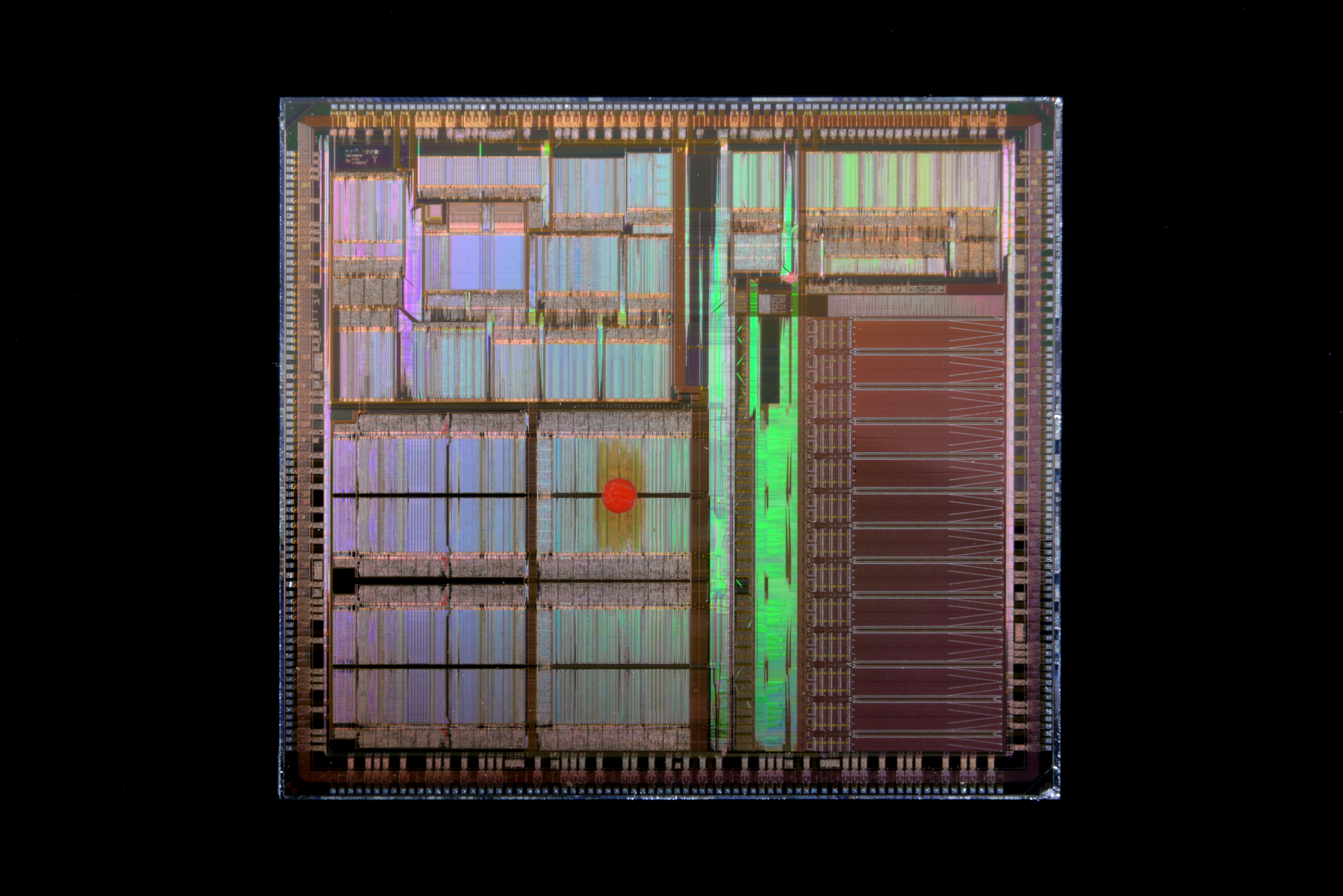
Low Power processors Low-power processors are designed to reduce energy consumption while ensuring optimal performance, making them a key component in energy-efficient computing. By utilizing advanced architectures and power management techniques, these processors balance functionality and power efficiency. Their ability to deliver high performance without compromising energy usage is critical for industries aiming to reduce their environmental impact.
The development of low-power processors is especially crucial in reducing the carbon footprint of electronic devices. In sectors like mobile technology, IoT, and embedded systems, where power efficiency is essential, these processors help minimize energy usage. With their advanced designs, they ensure that devices run at peak performance while consuming less energy. The integration of these processors into products allows manufacturers to contribute to global emissions reduction efforts. This is especially important as industries continue to evolve toward greener solutions and the demand for energy-efficient products grows, making these processors central to both innovation and environmental sustainability.
Incorporating low-power processors into modern electronic products offers substantial benefits for both manufacturers and the environment. By reducing power consumption, these processors help lower the overall emissions associated with device usage and production. This shift to energy-efficient solutions is critical in supporting long-term sustainability goals. Furthermore, as consumers increasingly prioritize eco-friendly products, manufacturers who adopt low-power processors are well-positioned to meet market demand for green technology.
Tech Innovations Report - November 2024
By Adding you email get the latest news and updates..!
Refreshing in 4 days
Using energy-saving practices reduces carbon emissions, mitigates global warming, decreases fossil fuel consumption, and helps slow climate change by minimizing the environmental impact of energy production.
Intelligent software optimizes energy use, enhances renewable integration, and reduces waste, but its resource-intensive development and data centers increase carbon emissions without sustainable practices.
Virtualization helps reduce energy consumption by optimizing server usage, decreasing hardware needs, and lowering carbon emissions. It promotes efficient resource allocation, contributing to sustainability and combating climate change.