Welcome to Our Website!
Add your email below to get updates!
Add your email below to get updates!
Climate models are crucial tools for understanding and predicting the impacts of climate change. They simulate the interactions within Earth's climate system, encompassing the atmosphere, oceans, and land. Models like the Community Earth System Model (CESM) offer critical insights into climate dynamics, allowing scientists to evaluate the consequences of various greenhouse gas scenarios and guide policy decisions. Through advanced simulations, researchers can identify trends and assess potential impacts on weather, sea levels, and ecosystems. This knowledge is indispensable for crafting effective mitigation and adaptation strategies, making investments in climate modeling essential to informed decision-making and a sustainable future.
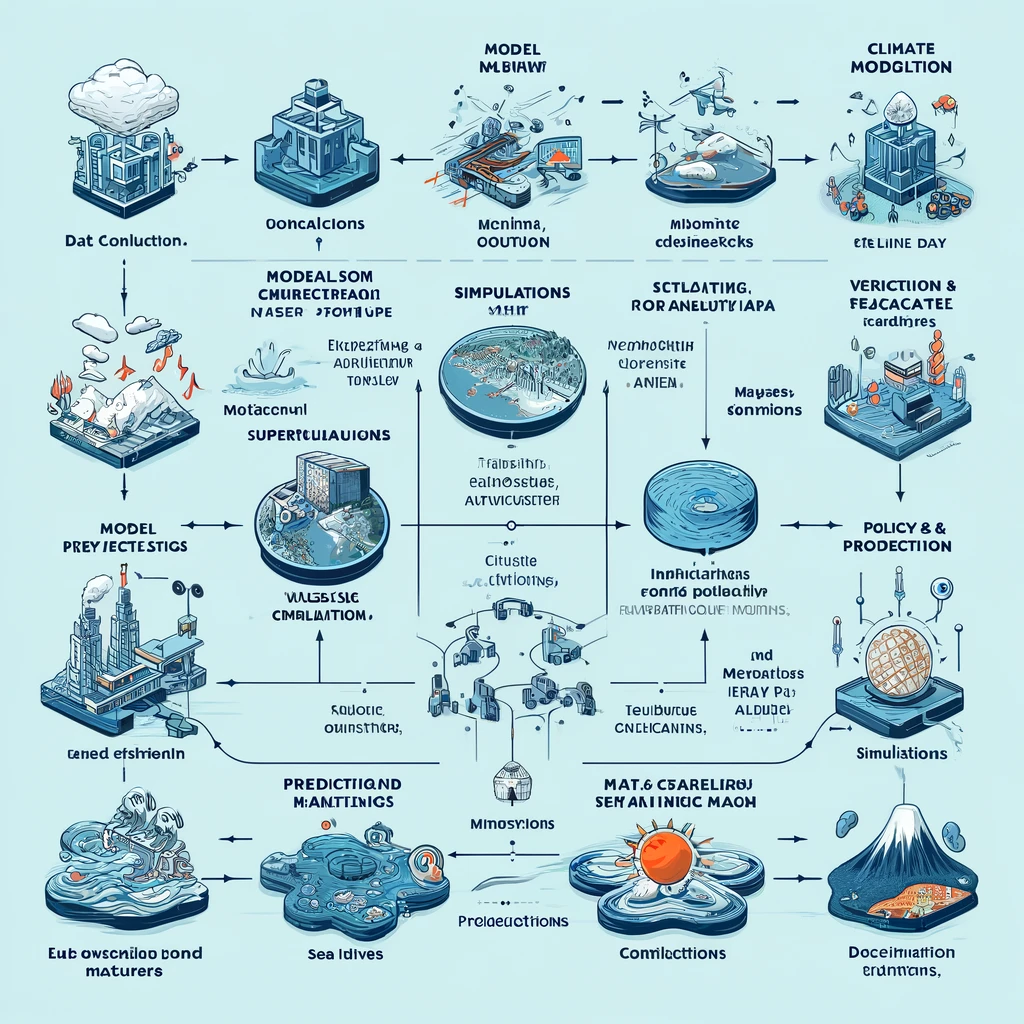
Modelling Climate Climate models are essential for understanding and predicting climate change impacts. They simulate interactions among components of the Earth’s climate system, including the atmosphere, oceans, and land surface. Widely used models, such as the Community Earth System Model (CESM), provide valuable insights into climate dynamics, enabling scientists to analyze vast data and predict future trends. These models assess consequences of various greenhouse gas emission scenarios and inform crucial policy decisions.
Advanced simulations also help researchers identify trends and understand potential impacts on weather patterns, sea levels, and ecosystems. This knowledge is critical for developing effective adaptation and mitigation strategies to address climate challenges. Smart technologies further enhance energy efficiency, reducing waste and emissions across sectors, from transportation to industrial operations.
Investing in climate modeling technology is vital for enhancing our understanding of climate dynamics and supporting informed decisions in the fight against climate change. These efforts bolster innovation, enabling the transition to renewable energy and the integration of sustainable solutions into global energy systems. By advancing our capacity to model and mitigate climate risks, we strengthen global resilience and foster sustainable development
flagship Report - March 2024
By Adding you email get the latest news and updates..!
Refreshing in 4 days
Using positive impact practices, such as renewable energy adoption, sustainable agriculture, and eco-friendly technologies, reduces greenhouse gas emissions, mitigates climate change, and preserves ecosystems.
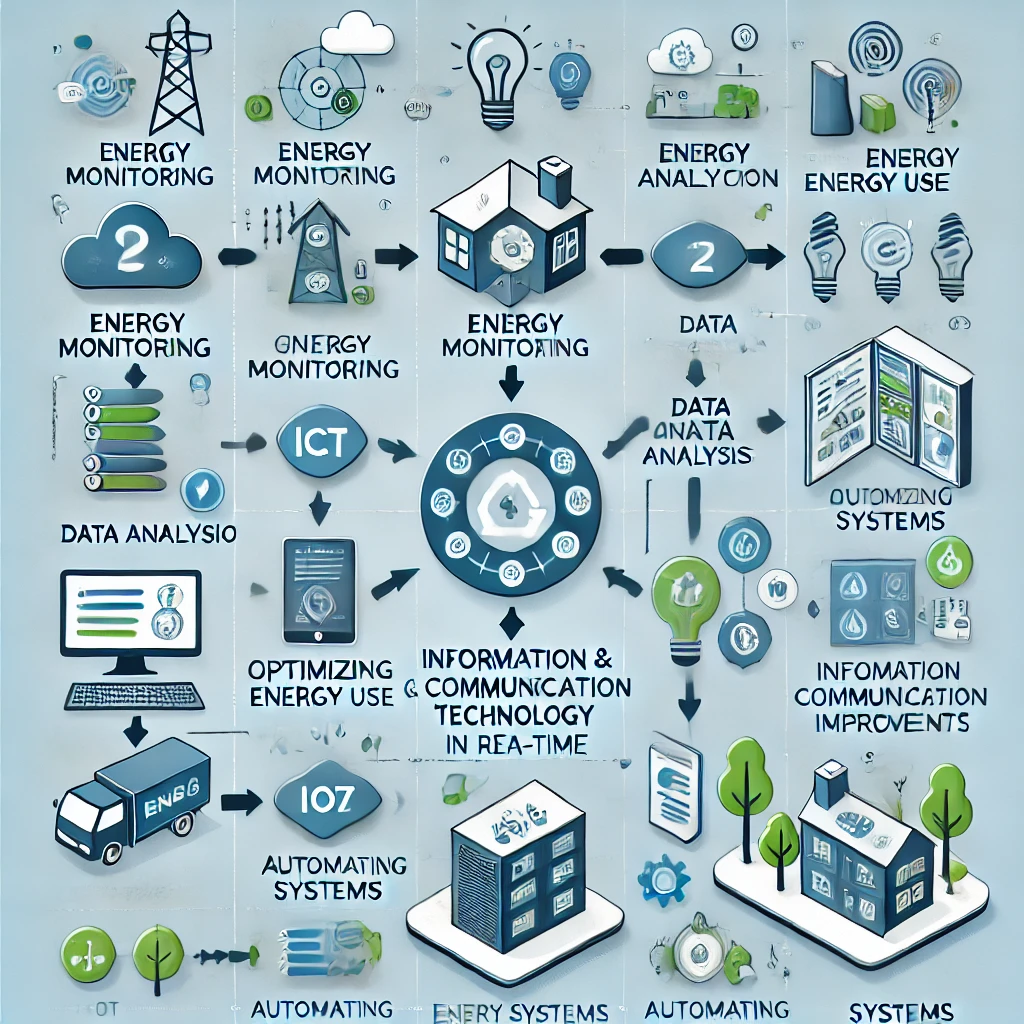
ICT affects climate change by increasing energy consumption through data centers and devices, yet enables solutions like smart grids, remote work, and efficient resource management.