Welcome to Our Website!
Add your email below to get updates!
Add your email below to get updates!
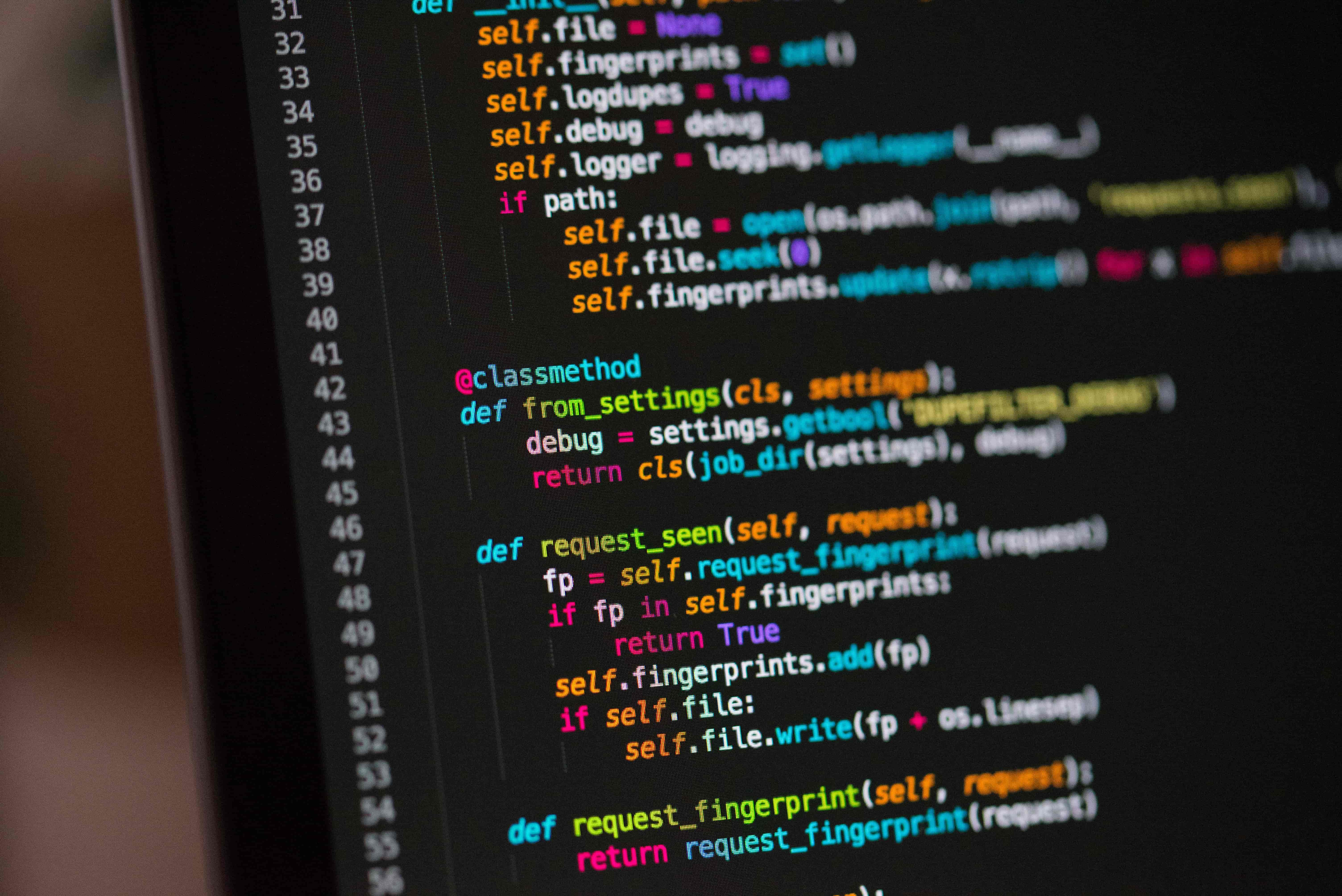
Intelligent software is designed to optimize energy usage by monitoring and managing consumption across various applications. These programs provide valuable insights and recommendations, helping users reduce waste and improve efficiency. Examples include smart home applications, energy management systems for businesses, and tools that enhance the efficiency of data centers. By leveraging such software, organizations can significantly reduce energy consumption while maintaining performance. The widespread implementation of these technologies is essential for driving the transition toward more sustainable practices, contributing to overall energy conservation and supporting the global shift to eco-friendly, efficient operations across industries.
AI controlled Energy Savings in Smart Cities
by Alex Greenfield • 2 hours ago
How Small Businesses are Cutting Costs with AI
by Jamie Ecohart • 1 day ago

Interlligent Softwar DTechnology plays a vital role in improving energy efficiency across sectors. Innovations in various industries reduce energy consumption and promote smarter usage, helping pave the way toward a sustainable future. One of the most impactful advancements is the implementation of smart energy systems. Automated energy management software and predictive analytics
Information and communication technology (ICT) plays a key role in driving energy efficiency. Smart home devices, such as programmable thermostats and energy-efficient lighting, help reduce electricity consumption without sacrificing comfort. These technologies adapt to user behavior and optimize energy use, contributing to lower overall consumption. Furthermore, digital platforms that promote carpooling, ride-sharing, and remote work can significantly lower transportation energy consumption. These innovations make it easier for individuals and organizations to adopt energy-conscious practices and reduce their carbon footprints.
Efforts to harness technology for energy conservation are essential in addressing the global energy challenges we face. Breakthroughs in renewable energy systems, such as advanced wind turbines, high-efficiency solar panels, and enhanced battery storage, are helping increase the scalability of clean energy. These innovations facilitate a transition from traditional energy sources to more sustainable options. Microgrids are also transforming energy distribution by enabling localized, efficient energy management, reducing reliance on central grids.
Energy Savings Report - December 2024
By Adding you email get the latest news and updates..!
Refreshing in 4 days
Using energy-saving practices reduces carbon emissions, mitigates global warming, decreases fossil fuel consumption, and helps slow climate change by minimizing the environmental impact of energy production.
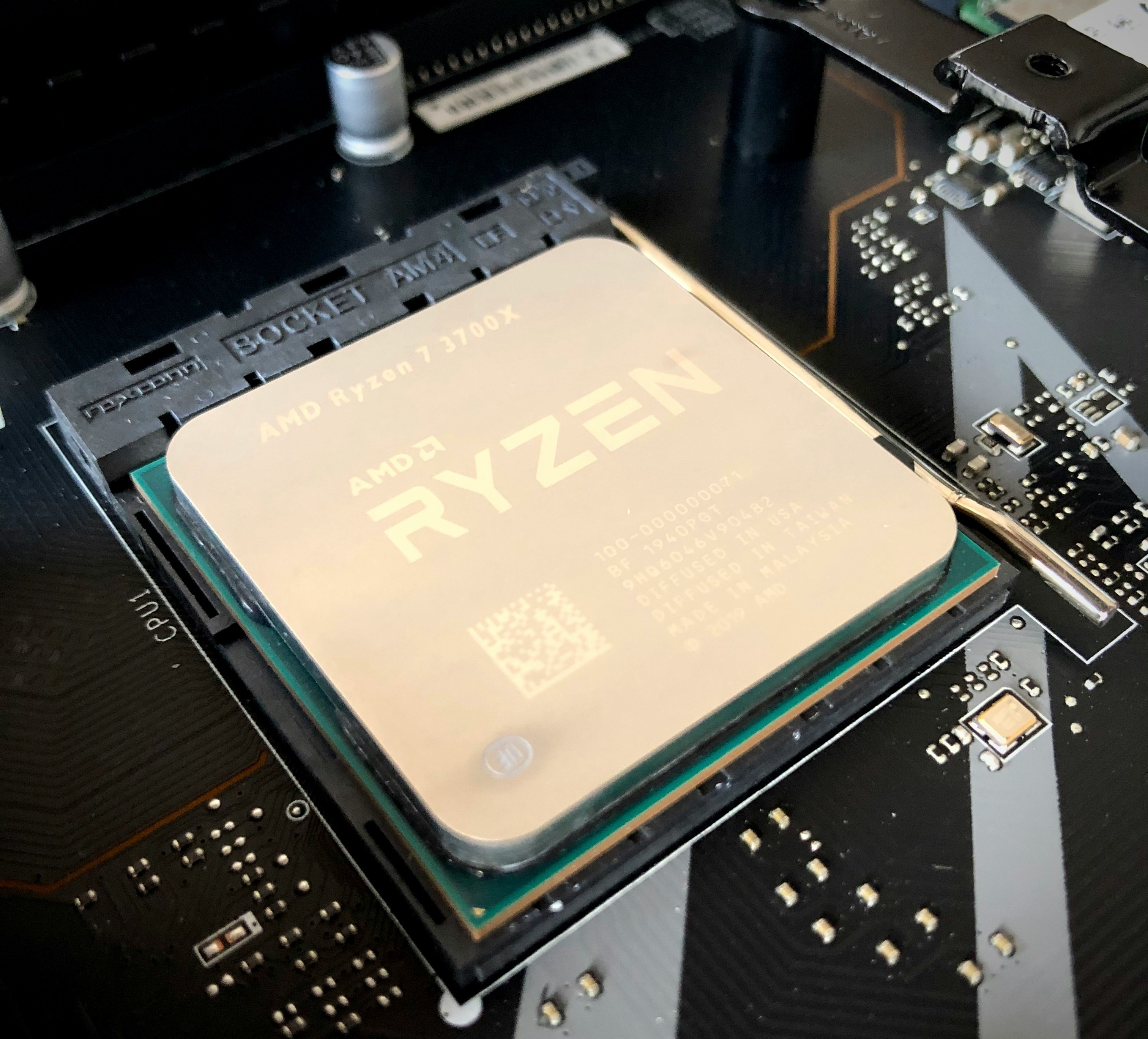
Low-power processors reduce energy consumption, lowering greenhouse gas emissions from electricity generation. This contributes to mitigating climate change and promotes sustainable computing practices.
Virtualization helps reduce energy consumption by optimizing server usage, decreasing hardware needs, and lowering carbon emissions. It promotes efficient resource allocation, contributing to sustainability and combating climate change.