Welcome to Our Website!
Add your email below to get updates!
"Can Energy-Saving Tech Transform Sustainability?"
Add your email below to get updates!
"Can Energy-Saving Tech Transform Sustainability?"
5 Breakthrough Technologies Optimizing Urban Power Usage
by Jordan Bright • 3 hours ago
How Local Shops are Saving Big with Wind Energy
by Riley Solara • 2 days ago

Saving Energy Smart energy systems further enhance efficiency by leveraging automation and advanced analytics. Automated energy management software enables real-time monitoring of energy usage, helping to identify inefficiencies and optimize power consumption in homes and businesses. Predictive analytics anticipate energy needs, reducing waste and ensuring consistent supply. These technologies are complemented by IoT devices like smart thermostats and energy-efficient lighting
Virtualization technology is another powerful tool for energy conservation. By consolidating workloads onto fewer physical machines, virtualization optimizes hardware utilization and reduces energy consumption in data centers. This approach not only minimizes electricity use but also lowers cooling requirements, leading to additional energy savings. Virtualization enables dynamic resource allocation, ensuring that computing power is used efficiently and only when needed. Beyond cost benefits, this technology supports sustainable IT practices by decreasing the overall carbon footprint of operations. Companies that implement virtualization
Efforts to leverage technology for energy conservation are vital in addressing global energy challenges. Breakthroughs in renewable energy systems, including advanced wind turbines, high-efficiency solar panels, and improved battery storage, enhance clean energy scalability. Microgrids further revolutionize energy distribution by enabling localized and efficient energy management, reducing dependency on traditional power grids. By embracing these solutions, societies can mitigate energy waste, create sustainable energy jobs, and support long-term environmental goals.
Efficiency Insights - November 2024
By Adding you email get the latest news and updates..!
Refreshing in 4 days
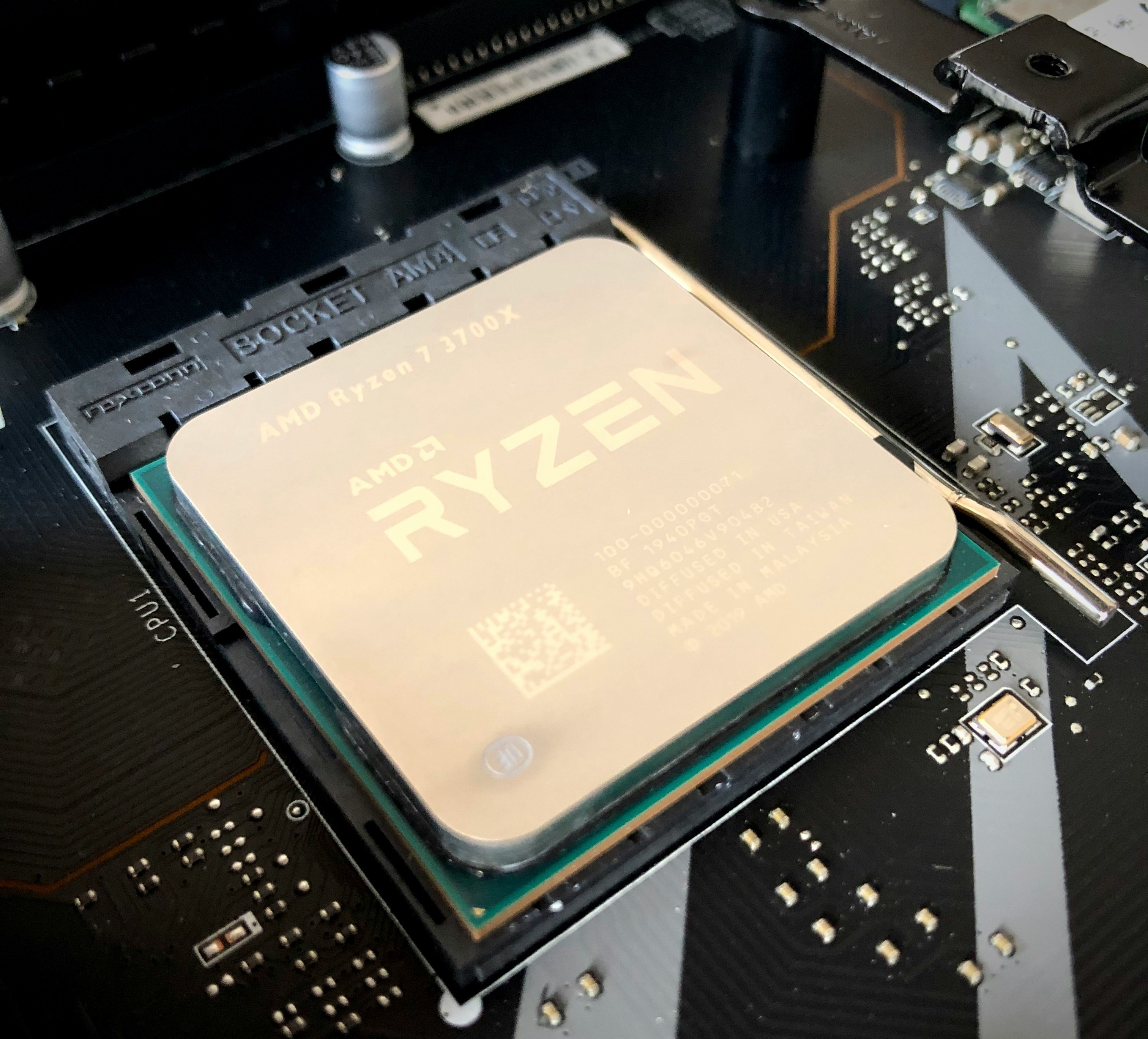
Low-power processors reduce energy consumption, lowering greenhouse gas emissions from electricity generation. This contributes to mitigating climate change and promotes sustainable computing practices.
Intelligent software optimizes energy use, enhances renewable integration, and reduces waste, but its resource-intensive development and data centers increase carbon emissions without sustainable practices.
Virtualization helps reduce energy consumption by optimizing server usage, decreasing hardware needs, and lowering carbon emissions. It promotes efficient resource allocation, contributing to sustainability and combating climate change.