Welcome to Our Website!
Add your email below to get updates!
Add your email below to get updates!
The manufacturing of technology products like smartphones and servers is energy-intensive, generating significant greenhouse gas emissions and environmental degradation through raw material extraction and energy consumption. To address this, manufacturers are adopting renewable energy, reducing waste, and enhancing recycling to extend material lifecycles. Supply chain transparency helps identify emission hotspots, enabling targeted strategies to mitigate environmental impact. Embracing sustainable practices is crucial for minimizing the tech industry's carbon footprint. By prioritizing eco-friendly methods, manufacturers can foster a greener economy and support the transition to sustainable technologies, balancing innovation with environmental responsibility for a more sustainable future.
Explore how companies like GreenWorks and EcoTronix innovate by
blending.
by Clara Greenfield
Delve into how firms such as RenewTech integrate clean energy
policies to meet future demands.
by Alex Thornton


The energy consumption of electronic devices significantly
contributes to greenhouse gas emissions. As demand for technology
rises, the electricity required to power devices often leads to
increased emissions from fossil fuels. To mitigate this,
manufacturers are creating energy-efficient products that consume
less power while maintaining high performance. From mobile phones to
data centers, such innovations are pivotal. Users can also help by
enabling energy-saving settings, unplugging unused devices, and
choosing efficient appliances. Collectively, these measures can
significantly reduce energy consumption and greenhouse gas
emissions, supporting global climate goals.
By Jordan Evans
The Future of Renewable Energy in Urban Settings
Webcast 11:00 AM (ET)
Innovative Approaches to Carbon Offsetting: Insights and
Practices
Webcast 01:00 PM (ET)
Driving Change: Exploring the Future of Electric Mobility
Webcast 08:00 AM (ET)
Refreshing in 4 days
Manufacturing impacts climate change by emitting greenhouse gases, consuming energy, depleting natural resources, generating waste, and causing pollution, significantly contributing to global warming and environmental degradation.
The negative impacts of climate change, like rising temperatures, extreme weather, and biodiversity loss, exacerbate environmental degradation, harming ecosystems, intensifying global warming, and threatening human survival.
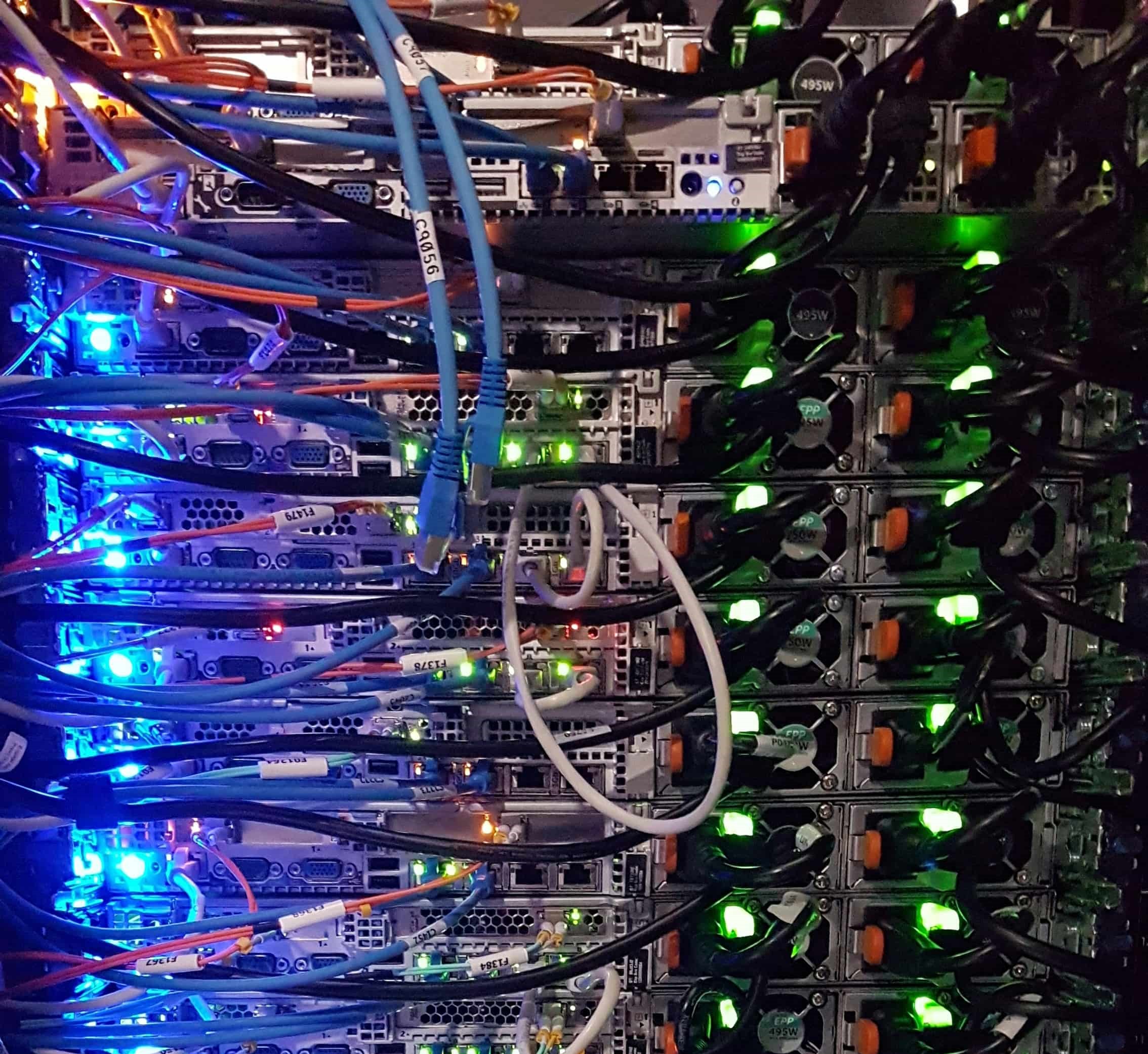
Server farms consume vast energy, often from fossil fuels, generating significant greenhouse gas emissions. Additionally, cooling systems increase water use and exacerbate environmental impact.