Welcome to Our Website!
Add your email below to get updates!
Add your email below to get updates!
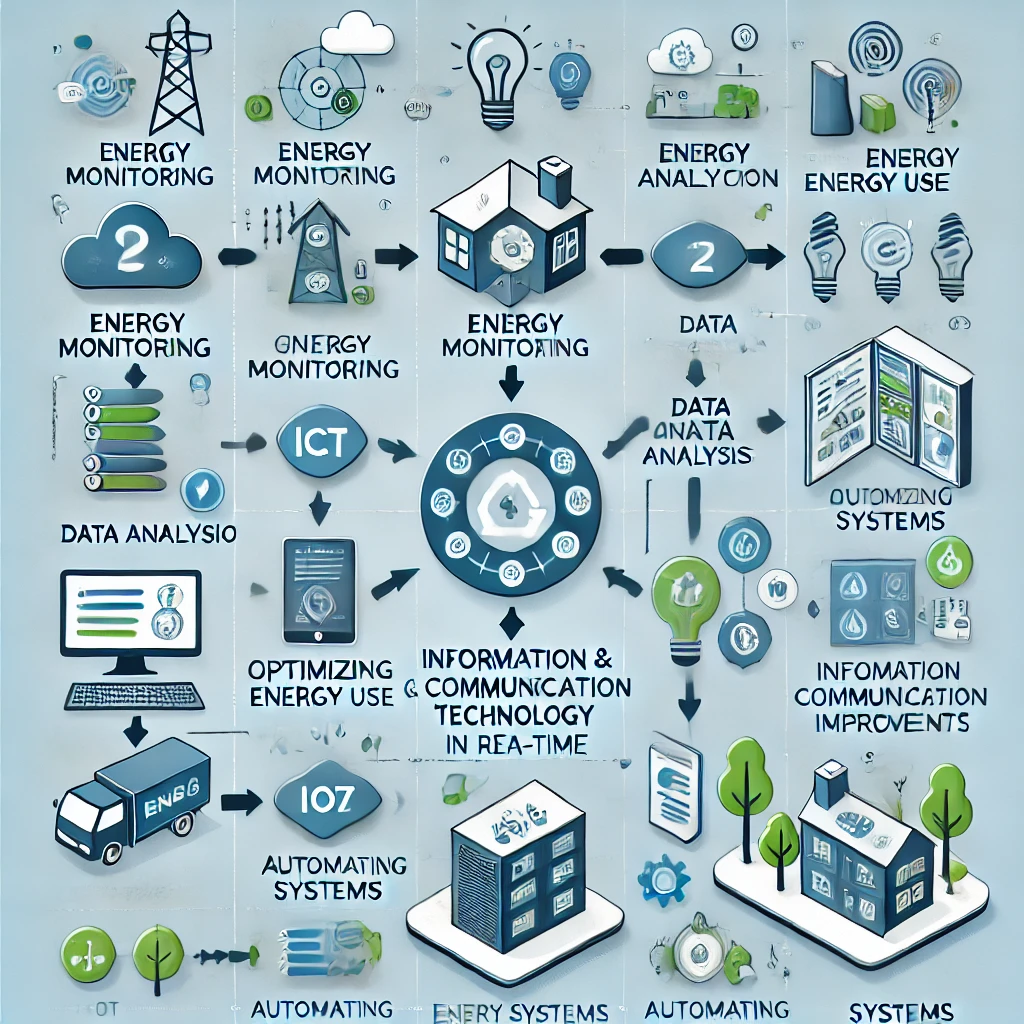
Information and communication technology (ICT) plays a vital role in reducing energy consumption and emissions across industries. By implementing energy-efficient technologies, operations can be optimized, leading to minimized waste. Low-power processors are a prime example, designed to reduce energy consumption while maintaining device performance, thus lowering emissions. Additionally, intelligent software that monitors energy use provides valuable insights, helping both homes and businesses enhance efficiency. These innovations contribute significantly to lowering overall energy consumption. Embracing such technological advancements is essential in supporting climate change mitigation efforts, reducing environmental impact, and promoting sustainable energy practices across various sectors.
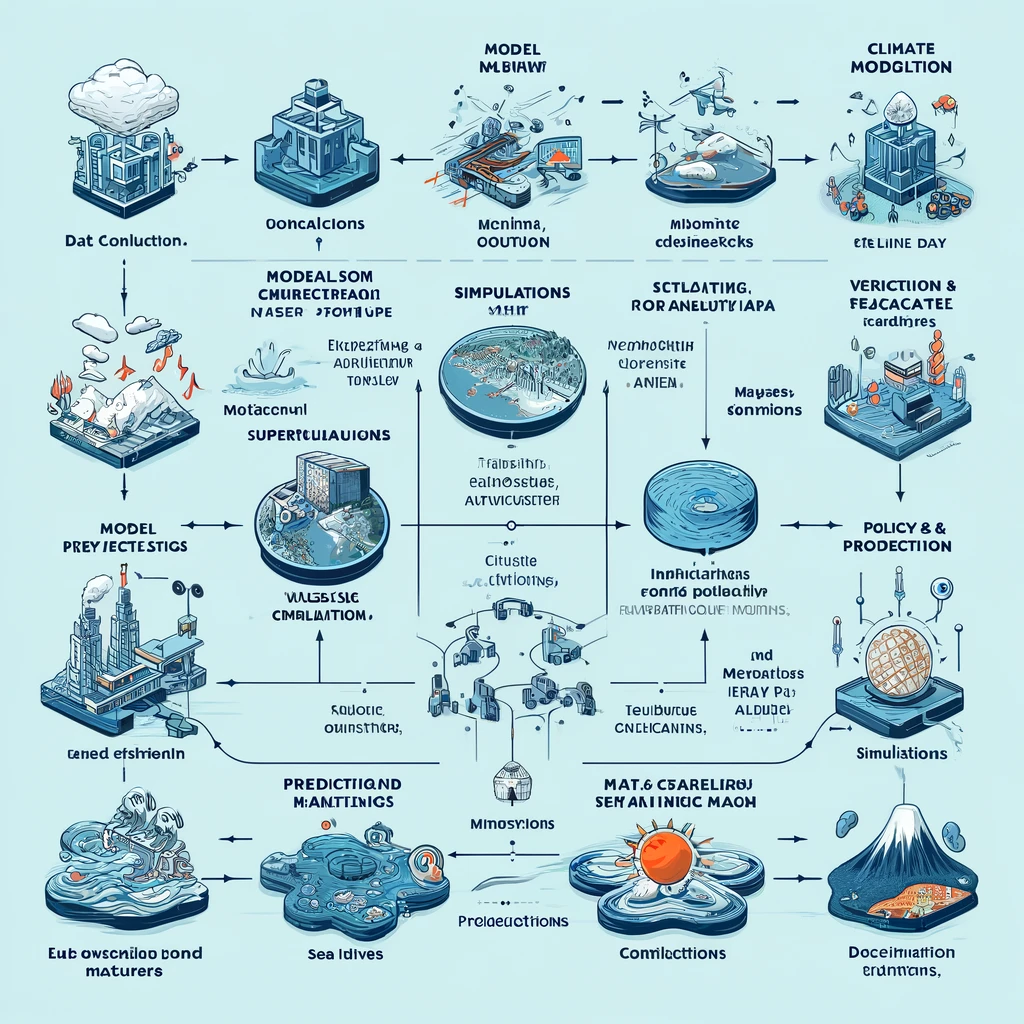
Positive Impact Despite the challenges, technology can also play a pivotal role in combating climate change. Innovations across various sectors help reduce greenhouse gas emissions and improve efficiency, paving the way for a more sustainable future.One of the significant contributions of technology is its ability to model climate change. Advanced computer simulations enable scientists to analyze climate data, predict future trends, and assess the potential impacts of various mitigation strategies.
Furthermore, information and communication technology (ICT) can facilitate energy savings in numerous ways. For example, telecommuting and videoconferencing can reduce travel, significantly lowering emissions associated with transportation. Efforts to leverage technology for sustainability are essential in addressing climate change. By harnessing the power of innovation, we can create resilient systems that support sustainability and enhance the fight against climate change.
Technology also facilitates the transition to renewable energy by improving the efficiency and accessibility of clean energy sources. Innovations in solar panels, wind turbines, and energy storage systems make renewable energy more affordable and scalable. Smart grids further enhance energy management, allowing for better integration of renewables into power networks. Moreover, digital platforms enable precise monitoring and optimization of energy consumption, reducing waste and lowering emissions. These advancements not only decrease reliance on fossil fuels but also drive economic growth by creating green jobs and fostering sustainable development worldwide.
flagship Report - March 2024
By Adding you email get the latest news and updates..!
Refreshing in 4 days
Using positive impact practices, such as renewable energy adoption, sustainable agriculture, and eco-friendly technologies, reduces greenhouse gas emissions, mitigates climate change, and preserves ecosystems.
Modeling climate helps understand and predict climate change impacts, guiding policies and actions. Accurate models reveal patterns, test mitigation strategies, and inform global adaptation efforts.