Welcome to Our Website!
Add your email below to get updates!
Understanding CO₂ Emissions and Solutions
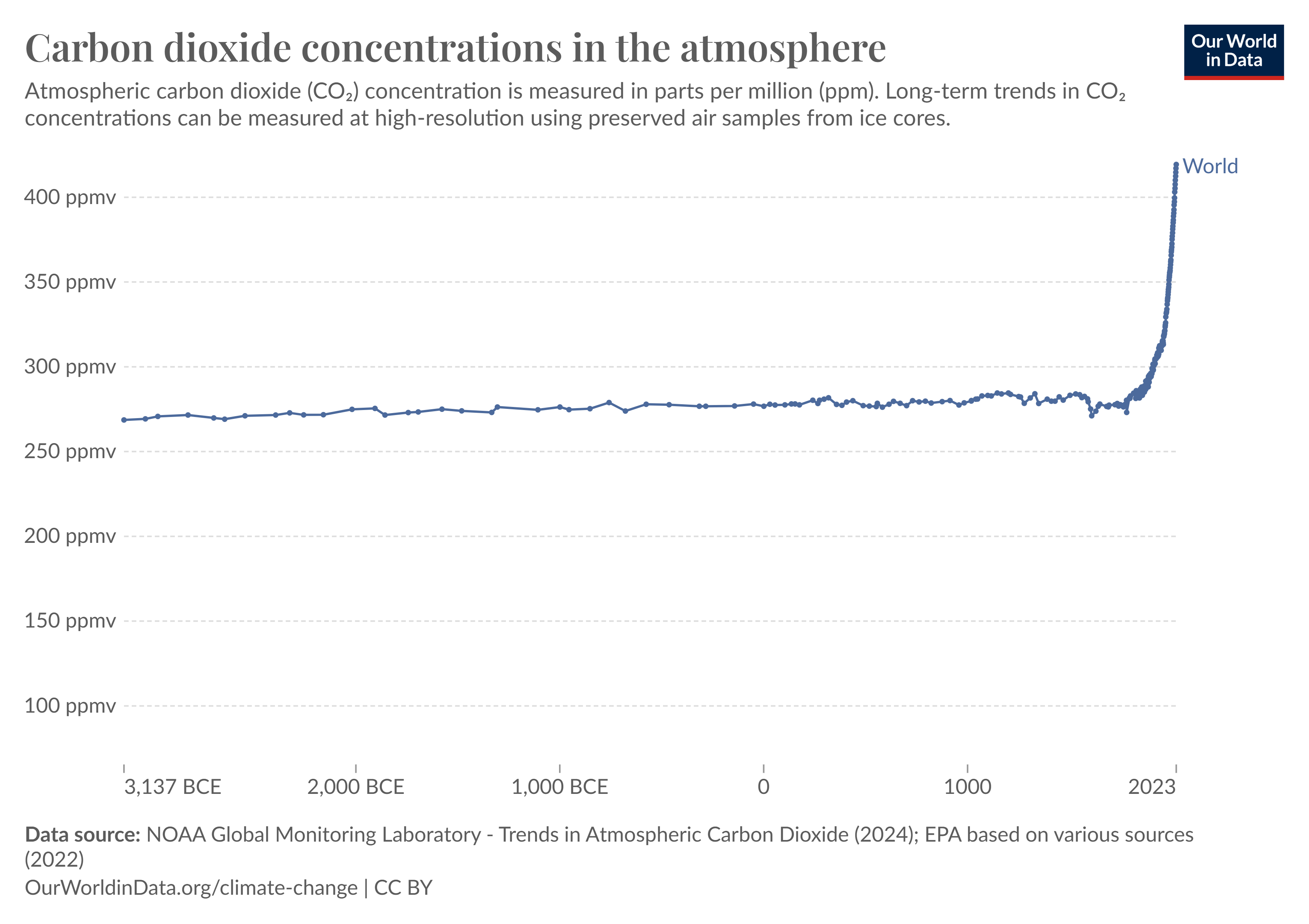
Carbon dioxide (CO2) is the primary greenhouse gas emitted by human activities, mainly through fossil fuel combustion for energy, transportation, and industry. Understanding the sources of CO2 emissions is vital for developing effective climate action strategies.
Energy production from coal, oil, and natural gas constitutes the largest share of global CO2 emissions. As the world continues to industrialise and urbanise, the demand for energy is expected to rise, making it critical to transition to cleaner, renewable energy sources like solar, wind, and hydroelectric power.
Additionally, enhancing energy efficiency across various sectors is paramount. Simple measures, such as improving insulation in buildings, adopting electric vehicles, and implementing energy-efficient technologies in manufacturing, can lead to substantial reductions in CO2 emissions.
Moreover, promoting carbon capture and storage (CCS) technologies can help mitigate the impact of CO2 emissions from existing fossil fuel infrastructure. By investing in sustainable practices and technologies, we can work towards a future with lower carbon footprints and a more stable climate.
Key Messages
- CO₂ Dominates Global Emissions Fossil fuel combustion is the primary source of CO₂
- Renewable Energy Is Essential Transition to solar, wind, and hydro to reduce fossil fuel
- Energy Efficiency Reduces Emissions Improved insulation, electric vehicles, and efficient manufacturing lower CO₂ output.
- CCS Mitigates Existing Emissions Carbon capture and storage curbs emissions from fossil fuel infrastructure.
- Sustainable Practices Ensure Climate Stability Investing in clean technologies supports a low-carbon future and a balanced climate.