Welcome to Our Website!
Add your email below to get updates!
Green House gasses
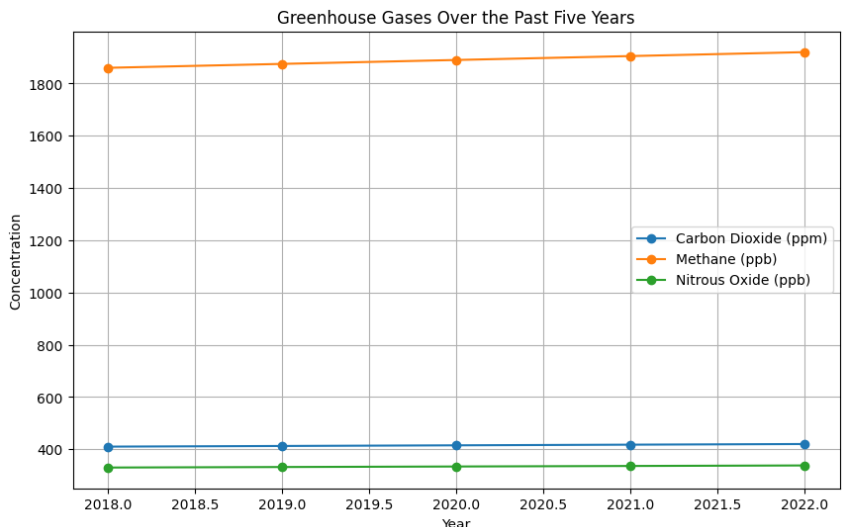
Greenhouse gases (GHGs) are fundamental to understanding climate change, as they are responsible for trapping heat in the Earth's atmosphere. The main greenhouse gases include carbon dioxide (CO2), methane (CH4), nitrous oxide (N2O), and fluorinated gases. Each gas has unique sources, lifetimes, and warming potentials that significantly influence their overall impact on climate
Carbon dioxide is the most abundant greenhouse gas, primarily released through the combustion of fossil fuels, deforestation, and various industrial processes. Its long atmospheric lifespan means that emissions made today will affect the climate for generations to come, highlighting the urgency for immediate and effective reductions
The understanding of these gases and their emissions pathways is critical in developing targeted strategies for mitigation. Efforts to reduce emissions must be comprehensive and include technological innovations, regulatory measures, and community engagement to drive meaningful change
Key Greenhouse Gas Insights
- GHGs Trap Heat, Driving Climate Change GHGs absorb heat, leading to global warming and climate impacts.
- CO2 Dominates Emissions, Long Lifespan Fossil fuel use and deforestation make CO2 the most abundant
- Methane: High Heat-Trapping Potential Methane traps heat 25x more than CO2, primarily
- N2O and Fluorinated Gases’ Impact Though less common, they have high warming potential and long lifetimes.
- Urgent, Multi-Level Mitigation Required Comprehensive strategies needed: technology, policy, and community action.